

Phones once stayed quiet until a task required them. They served a purpose, delivered a result, and faded back into the background. Over time, that relationship shifted. The phone no longer waits for intention. It rests nearby, active in its silence, and shapes awareness even when untouched. Its role expanded beyond function into something closer to presence.
This change reflects a broader digital condition where constant access shapes behavior before conscious choice appears. Instant-response formats, including the smartsoft balloon game, exist within that same state of readiness. The device remains close, prepared for use, and attention adjusts long before any action begins. Availability becomes the environment.
From Instrument to Companion
Phones no longer enter and exit the experience with a clear purpose. They remain within reach across settings, which changes how they operate in daily life.
Tools That Wait vs. Presences That Remain
Traditional tools stay inert until summoned. A pen rests until writing begins. A camera waits for a moment worth capturing. Phones behave differently. They remain powered, connected, and alert. This constant readiness shifts their role. They stop acting like objects and start acting like companions. Function no longer defines them; proximity does.
The Phone as a Silent Participant
A phone on the table influences behavior without movement or sound. Conversations adjust around it. Eye contact softens. Pauses shorten. The device does not interrupt, yet it participates. Its presence alters the atmosphere through expectation alone.
The Psychology of Constant Nearness
Nearness reshapes mental orientation before any interaction occurs. Phones influence thought through position and availability alone, which alters how attention, silence, and expectation function across daily life.
Attention Without Interaction
Attention shifts toward possibility rather than action. A nearby phone introduces a secondary focus that exists alongside the present moment. Thought checks for relevance without touch or intention. This divided orientation reduces depth of focus, even during tasks that demand presence. The mind remains partially allocated to what might occur next.
Why Silence No Longer Feels Neutral
Silence once marked completion or rest. In a connected environment, it signals suspension. A quiet phone suggests an unfinished exchange rather than closure. Stillness gains tension since calm feels temporary and conditional. Rest carries an undertone of anticipation instead of resolution.
Presence Without Demand
The phone requires no prompt to exert influence. Its availability shapes habits of attention across time. Readiness becomes a baseline state, not a response. Interruption shifts from event to assumption. Influence settles into routine and shapes behavior without sound, signal, or request.
When Presence Rewrites Daily Experience
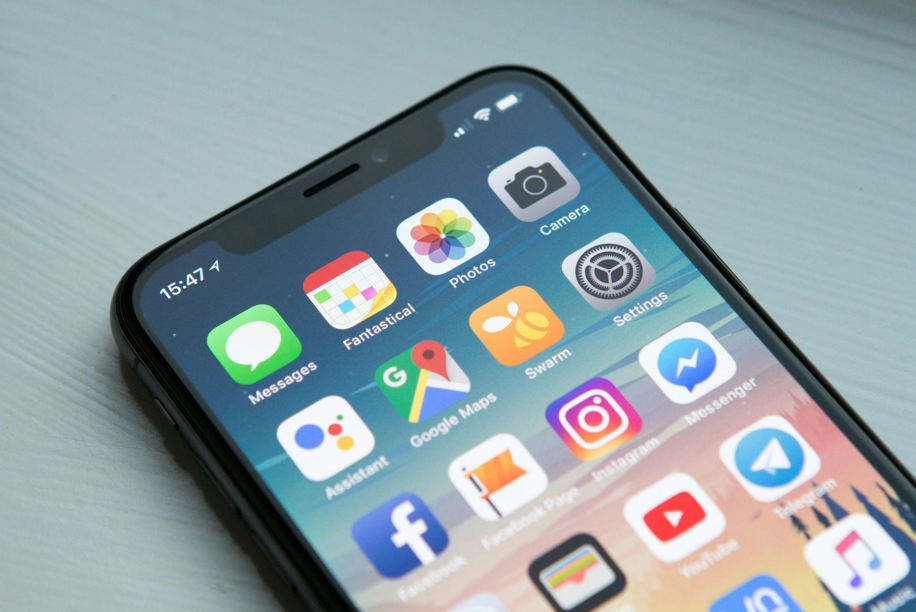
Constant nearness alters how everyday moments take shape. The phone does not interrupt directly, yet its availability influences how time, pauses, and attention operate throughout the day. These effects appear in ordinary situations rather than dramatic changes.
- Conversations lose depth as pauses feel incomplete.
- Waiting loses texture, since attention scans for input.
- Small breaks lose shape, without clear beginnings or endings.
- Time fragments into checkable segments.
- Stillness feels temporary, not settled.
These changes develop gradually. They integrate into routine and redefine daily rhythm without overt disruption, which makes their influence easy to overlook.
The Difference Between Use and Coexistence
The boundary between action and presence no longer holds. Influence now extends beyond moments of direct engagement.
Using a Tool Has Clear Boundaries
Use begins with a goal. A task starts, completes, and ends. Closure follows action. Once the task concludes, attention is released. This structure supports rest, focus, and recovery.
Coexisting Has None
Coexistence lacks edges. The phone remains present before, during, and after the activity. No signal marks completion. Attention stays open, unresolved, and adjustable. The device never fully exits awareness.
Reclaiming Awareness Without Rejection
Awareness does not require removal or avoidance. It begins with recognition of how constant presence influences attention, timing, and behavior. When that influence becomes visible, choice regains space.
The phone returns to its role as an object within experience rather than a quiet organizer of it. Control emerges through deliberate attention, not through limits or denial.
Wrap-Up: Restoring the Boundary Between Tool and Life
Phones accept whatever role people assign. When awareness fades, presence expands. When awareness returns, the device shrinks back into function. Tools regain their place, and life regains its texture. Presence returns to its proper place, not on a screen but within lived experience.


