Introduction
The rapid adoption of electric vehicles (EVs) is revolutionizing the automotive industry. As consumers shift toward sustainable transportation, the need for efficient, convenient, and reliable home charging solutions has grown. Among these options, a fast ev charger for home has emerged as a practical and essential tool for modern EV owners.
Having a fast charger at home allows EV owners to charge their vehicles quickly and safely, reducing dependence on public charging stations and enhancing overall convenience. This technology ensures that vehicles are ready when needed, whether for daily commutes, weekend trips, or long-distance journeys.
Understanding Fast EV Chargers for Home
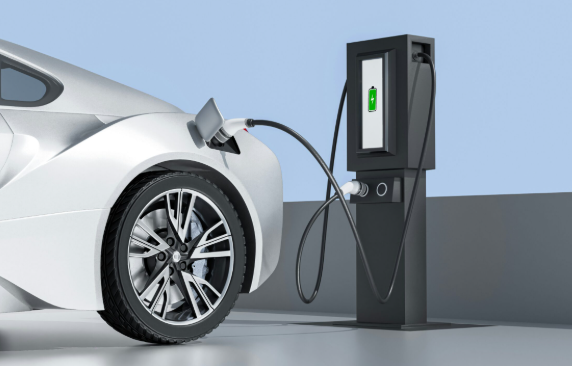
A fast ev charger for home is a dedicated device designed to provide higher power output than standard household outlets. While traditional chargers may require many hours to fully charge a vehicle, fast chargers deliver significantly quicker results, often replenishing a full battery overnight or in just a few hours.
Fast chargers, often referred to as Level 2 chargers, use higher voltage (typically 240V) to provide faster and more efficient charging. They are compatible with most modern EVs and offer multiple safety features to protect both the vehicle and the home electrical system.
Benefits of a Fast EV Charger for Home
Convenience and Efficiency
The most immediate advantage of a fast ev charger for home is convenience. EV owners can charge their vehicles while they sleep or go about their daily routines, ensuring a fully charged battery is ready whenever needed. This eliminates the need to rely on public charging stations, reducing the stress and uncertainty often associated with EV ownership.
For example, a commuter with a 50-mile daily drive can plug in the vehicle overnight and wake up to a fully charged car, ready to tackle the day without planning around external charging points.
Cost Savings
Charging at home with a fast EV charger is typically more economical than using public stations. Many electricity providers offer off-peak rates that allow homeowners to charge their EVs at lower costs during nighttime hours. Over time, these savings can be substantial, especially for families with high daily mileage.
Moreover, pairing a fast charger with solar fast ev charger for home energy systems can further reduce electricity bills and promote eco-friendly practices, allowing homeowners to power their EVs with clean energy.
Safety and Reliability
Fast ev chargers for home are designed with safety in mind. Features such as overcurrent protection, temperature monitoring, and automatic shutoff prevent overcharging and protect both the vehicle and household electrical systems.
This reliability ensures peace of mind, especially when vehicles are left charging overnight or for extended periods. Homeowners can trust that their EV is being charged safely without the risk of electrical hazards.
Support for Sustainable Living
Installing a fast EV charger at home encourages the use of electric vehicles, which are cleaner alternatives to gasoline-powered cars. By making charging more convenient and efficient, homeowners are more likely to adopt and maintain EVs, reducing carbon emissions and contributing to a more sustainable environment.
Homeowners who integrate renewable energy sources, like solar panels, with their fast chargers can further enhance sustainability. This combination not only reduces energy costs but also minimizes environmental impact.
See also: Advancing Industrial Precision with Modern Motor Technology
Installation Considerations
Installing a fast ev charger for home requires careful planning. Homeowners should consider electrical capacity, location, and compatibility with their vehicle before installation.
Older homes may require electrical upgrades to accommodate higher-voltage chargers. Choosing a garage or sheltered outdoor area helps protect the charger from the elements while providing easy access to the vehicle. Planning for future expansion, such as additional chargers for multiple vehicles, is also advisable for growing households.
Smart Features and Integration
Modern fast ev chargers often come with smart technology integration, allowing remote control and monitoring through mobile applications. Features include scheduling charging during off-peak hours, tracking energy usage, and receiving alerts when charging is complete or if issues arise.
For example, homeowners can program their charger to start charging automatically when electricity rates are lowest or when renewable energy is available, optimizing efficiency and cost savings. Integration with home automation systems enhances convenience and energy management.
Encouraging EV Adoption
The availability of a fast ev charger for home can influence consumers’ decisions to switch to electric vehicles. One of the main concerns for potential EV owners is charging convenience. Providing a reliable and fast home charging solution alleviates this concern, making EV ownership more practical and appealing.
Suburban or rural households, where public charging infrastructure may be limited, particularly benefit from home chargers. Ensuring that the vehicle can be quickly and safely charged at home reduces range anxiety and promotes wider EV adoption.
Future Trends in Home Charging
The evolution of EV technology is driving innovations in home charging solutions. Future trends include ultra-fast chargers, bidirectional charging, energy storage integration, and AI-based energy management systems.
Bidirectional charging allows electricity to flow from the EV battery back into the home during peak demand or outages, providing backup power and enhancing energy flexibility. Integrating chargers with solar panels and home batteries ensures that EVs can be powered sustainably while maximizing efficiency and minimizing costs.
Economic and Environmental Impact
Fast ev chargers for home contribute to both economic growth and environmental sustainability. They reduce reliance on fossil fuels, lower greenhouse gas emissions, and stimulate demand for installation, maintenance, and energy management services.
Communities that embrace residential EV charging see benefits such as cleaner air, lower transportation costs, and growth in green technology sectors. Homeowners enjoy practical advantages, including lower electricity bills and a reduced environmental footprint.
Conclusion
A fast ev charger for home is a vital component of modern electric vehicle ownership. It provides convenience, safety, efficiency, and cost savings while supporting sustainable living. By installing a home charger, EV owners can ensure their vehicles are ready when needed, reduce reliance on public infrastructure, and embrace eco-friendly transportation.
As the automotive industry continues to transition toward electrification, home charging solutions will play an increasingly important role. Fast EV chargers empower homeowners to fully benefit from electric vehicle technology, making sustainable, reliable, and efficient mobility a practical reality.