The Evolution of Interior Design
Interior design is no longer just about decorating a space; it has evolved into a sophisticated blend of functionality, aesthetics, and emotional experience. Homes, offices, and commercial spaces are now crafted to reflect personal identity, culture, and lifestyle, while also maximizing efficiency and comfort.
Central to this evolution are professional interior designers and interior design studios, which help transform ideas into tangible environments. A well-planned design ensures that each space serves its purpose while maintaining harmony and visual appeal. The role of an interior design studio has expanded from simple decoration to creating immersive experiences that improve the quality of life and elevate brand identity in commercial spaces.
The Role of an Interior Design Studio
An interior design studio serves as a hub of creativity and technical expertise. These studios combine artistic vision with practical knowledge, guiding clients through every step of the design process. From conceptualization and space planning to material selection and project management, an interior design studio ensures that the final outcome aligns with the client’s goals and budget.
For instance, when designing a modern office space, a studio considers workflow, natural lighting, acoustics, and furniture ergonomics. By blending aesthetics with functionality, the studio creates a space that boosts productivity while remaining visually appealing.
Key Services Offered by Interior Design Studios
Residential Design
Residential design focuses on creating comfortable and stylish living spaces. Interior design studios help homeowners select color palettes, furniture, lighting, and décor elements that reflect personal tastes. They also optimize layout to maximize space, storage, and natural light.
For example, a studio may transform a small apartment by using multifunctional furniture, smart storage solutions, and strategic lighting to create the illusion of a larger, more inviting space.
Commercial and Office Design
Commercial interior design has gained importance as businesses recognize the impact of workspace aesthetics on employee productivity interior design studio and client perception. An interior design studio designs offices, retail spaces, restaurants, and hotels to enhance functionality, brand image, and customer experience.
A well-designed retail store, for example, not only highlights products effectively but also provides an engaging shopping experience, encouraging longer visits and higher customer satisfaction.
Renovation and Remodeling
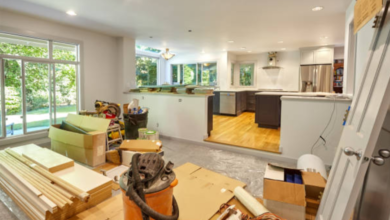
Renovation and remodeling projects require careful planning and execution. Interior design studios assess existing structures, identify areas for improvement, and implement design solutions that revitalize the space. This could involve updating outdated interiors, optimizing layouts, or integrating modern technologies for comfort and efficiency.
Sustainable and Eco-Friendly Design
Sustainability has become a key consideration in modern interior design. Studios now focus on eco-friendly materials, energy-efficient lighting, and sustainable furniture options. These practices reduce environmental impact while promoting healthier indoor environments. For example, using reclaimed wood, low-VOC paints, and LED lighting can make a space both stylish and environmentally responsible.
See also: Finding Your Ideal Student Home in the UK
Trends Shaping the Interior Design Industry
Minimalism and Functional Spaces
Minimalism continues to influence interior design, emphasizing clean lines, uncluttered spaces, and functional layouts. An interior design studio often incorporates minimalist principles to create visually appealing spaces that also maximize efficiency. Neutral color palettes, hidden storage solutions, and multipurpose furniture are common elements in minimalist designs.
Biophilic Design
Biophilic design, which integrates natural elements into interior spaces, is gaining popularity. Indoor plants, natural light, water features, and organic materials enhance well-being and reduce stress. Interior design studios implement biophilic principles to create spaces that connect occupants with nature, improving both mood and productivity.
Smart Home Integration
Technology plays an increasingly significant role in interior design. Smart home systems for lighting, climate control, security, and entertainment allow residents to manage their environments efficiently. Interior design studios incorporate these technologies seamlessly into design plans, ensuring aesthetics are maintained while providing modern convenience.
Customization and Personalization
Clients increasingly seek personalized spaces that reflect their identity. Interior design studios offer bespoke solutions, from custom furniture and artwork to unique color schemes and layouts. Personalized designs foster a sense of ownership and emotional connection to the space.
Multi-Functional Spaces
With urban living and limited square footage, multi-functional spaces have become essential. An interior design studio may design a home office that doubles as a guest bedroom, or a living area that can transform into an entertainment space. Flexible layouts and modular furniture solutions allow spaces to adapt to different needs.
The Importance of Collaboration in Design Projects
Successful interior design projects rely on collaboration between clients, designers, and contractors. An interior design studio coordinates these relationships, ensuring that everyone involved works toward a shared vision. Effective communication prevents misunderstandings, reduces delays, and ensures that the final design meets both aesthetic and functional requirements.
Challenges Facing the Interior Design Industry
Budget Management
Balancing creativity with budget constraints is a common challenge. Interior design studios must provide innovative solutions that achieve design goals without exceeding financial limits. Strategic planning and resource allocation are crucial to ensure high-quality results within budget.
Keeping Up with Trends
The interior design industry is constantly evolving. New materials, technologies, and design philosophies emerge regularly, requiring studios to stay updated and adapt to market demands. Continuous education and industry research are essential for maintaining relevance and offering clients cutting-edge solutions.
Client Expectations
Managing client expectations can be challenging, as clients may have differing opinions or limited understanding of design principles. Interior design studios use clear communication, visual presentations, and prototypes to align client visions with practical design solutions.
The Future of Interior Design
Integration of Technology
The future of interior design will be increasingly technology-driven. Virtual reality (VR) and augmented reality (AR) allow clients to visualize designs before implementation. Artificial intelligence (AI) can optimize space planning, lighting, and material selection, providing faster and more accurate design solutions.
Sustainable and Wellness-Oriented Spaces
Sustainability and wellness will continue to shape the industry. Interior design studios will prioritize materials, layouts, and lighting that promote physical health, mental well-being, and environmental responsibility. Spaces that combine aesthetics with functionality and sustainability will become the standard.
Emphasis on Flexibility
Flexible, adaptable spaces will be essential in the future, especially in urban living environments. Interior design studios will focus on multi-purpose solutions that allow occupants to maximize space utility without compromising style or comfort.
Conclusion
The interior design industry has grown into a dynamic and innovative field, transforming how we experience living and working spaces. Interior design studios play a central role in this evolution, combining creativity, technical expertise, and practical solutions to create spaces that are both beautiful and functional.
From residential homes to commercial establishments, modern interior design emphasizes personalization, sustainability, and technology integration. By staying ahead of trends, managing client expectations, and fostering collaboration, interior design studios continue to shape the environments where people live, work, and thrive.
With an emphasis on aesthetics, functionality, and emotional experience, interior design is not just about decorating—it is about redefining spaces to enhance comfort, productivity, and well-being for everyone who occupies them.