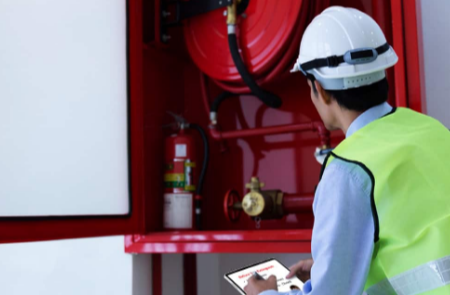
Fire safety is a critical aspect of both residential and commercial premises. A small negligence can lead to catastrophic losses, including property damage, injuries, and even fatalities. Implementing robust fire risk assessment and fire safety management systems is not only a legal requirement in many countries but also a moral responsibility to ensure the safety of occupants and employees.
Understanding Fire Risk Assessment
A fire risk assessment is a systematic process of evaluating the potential hazards and risks associated with fire in a building or facility. Its primary goal is to identify fire hazards, assess the level of risk, and implement measures to reduce or eliminate those risks.
Key Steps in Fire Risk Assessment
- Identifying Fire Hazards:
This involves recognizing all sources of ignition, fuel, and oxygen within a building. Examples include electrical equipment, open flames, flammable liquids, and combustible materials. - Identifying People at Risk:
Understanding who may be affected in case of fire is vital. This includes employees, residents, visitors, or vulnerable groups such as children, elderly, or disabled individuals. - Evaluating Risk and Existing Measures:
Assessing the likelihood of a fire occurring and its potential impact is crucial. Existing safety measures, such as fire alarms, sprinklers, fire extinguishers, and emergency exits, should also be reviewed for effectiveness. - Recording Findings and Action Plans:
All identified hazards and risks must be documented. A clear action plan should outline steps to mitigate risks, assign responsibilities, and set timelines for implementation. - Regular Review and Updates:
Fire risks and building usage may change over time. Regular reviews ensure that the risk assessment remains current and effective.
Fire Safety Management Systems (FSMS)
A fire safety management system is an organized framework that ensures fire safety procedures, training, and maintenance are continuously implemented and monitored. It integrates risk assessment findings with proactive measures to prevent fire incidents.
Components of an Effective Fire Safety Management System
- Fire Safety Policy:
A written policy defines the organization’s commitment to fire safety and outlines roles and responsibilities of management and staff. - Emergency Planning:
A detailed emergency plan should include evacuation routes, assembly points, and procedures for notifying fire services. - Training and Awareness:
Employees and residents must be trained on fire safety practices, use of fire-fighting equipment, and emergency procedures. Regular drills are essential for preparedness. - Maintenance and Testing:
Regular inspection and maintenance of fire detection systems, alarms, extinguishers, and sprinkler systems ensure that all equipment functions correctly during an emergency. - Monitoring and Reporting:
A FSMS should track fire incidents, near-misses, and safety inspections. Continuous monitoring allows organizations to identify trends and implement corrective actions promptly.
Benefits of Fire Risk Assessment and Fire Safety Management Systems
- Enhanced Safety: Protects lives by reducing the likelihood and impact of fire incidents.
- Legal Compliance: Helps organizations meet local and national fire safety regulations.
- Property Protection: Minimizes damage to buildings and valuable assets.
- Operational Continuity: Reduces disruption caused by fire emergencies.
- Reputation Management: Demonstrates a commitment to safety, building trust among employees, residents, and stakeholders.
Conclusion
Implementing thorough fire risk assessment and fire safety management systems is essential for every building, whether residential, commercial, or industrial. By identifying hazards, assessing risks, and applying structured safety measures, organizations and individuals can significantly reduce the potential impact of fire. Regular training, maintenance, and monitoring ensure that fire safety is not just a one-time effort but an ongoing commitment. Investing in fire safety protects lives, property, and organizational reputation.
FAQs
Q1: How often should a fire risk assessment be conducted?
A1: Fire risk assessments should be conducted at least annually or whenever significant changes occur in building structure, occupancy, or equipment.
Q2: Who can perform a fire risk assessment?
A2: A competent person with proper training in fire safety, such as a certified fire risk assessor, should conduct the assessment.
Q3: What is the difference between a fire risk assessment and a fire safety management system?
A3: A fire risk assessment identifies hazards and evaluates risks, while a fire safety management system implements, monitors, and maintains procedures to prevent and respond to fire incidents.
Q4: Are fire drills necessary?
A4: Yes, regular fire drills are crucial to ensure occupants know evacuation routes, emergency procedures, and proper use of firefighting equipment.
Q5: Can fire safety management systems be applied to residential buildings?
A5: Absolutely. Fire safety management systems can be scaled to fit residential, commercial, and industrial settings, enhancing safety and preparedness.