Stepping into the world of immersive video can feel a little intimidating when you have only used a phone or a regular camera before. A 360 Grad Kamera records everything around you in every direction, so small choices – where you stand, how you move, what is behind you – suddenly matter a lot more. The good news is that owning a 360 Grad Kamera does not mean you must become a professional filmmaker overnight. With a bit of planning, some basic habits, and an understanding of how a 360 Grad Kamera “sees” the scene, your first 360 shoot can look polished, smooth, and immersive for friends, family, or strangers who discover your work online. You need clear expectations and a few simple rules in mind.
What Your 360 Grad Kamera Actually Sees
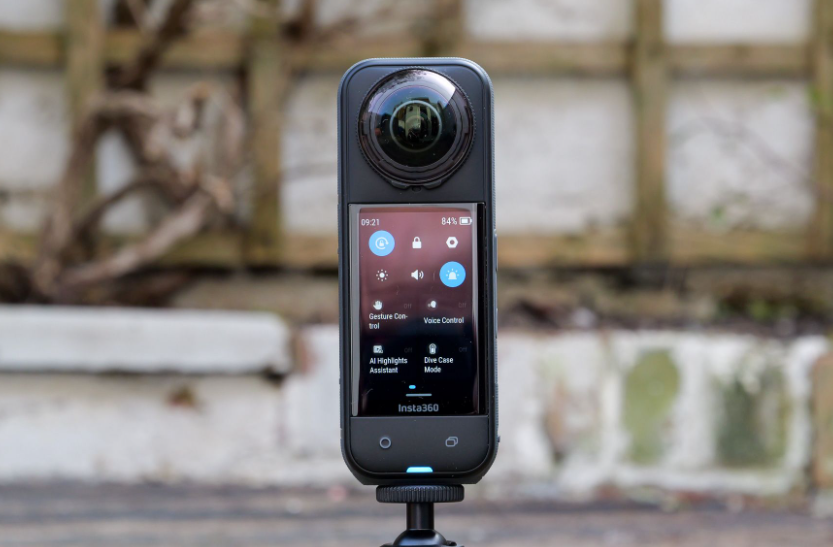
Before you even press record, it helps to imagine how your 360 Grad Kamera actually sees the world. Instead of framing a neat rectangle in front of you, the device is building a full sphere, usually with two ultra-wide lenses stitched together by the 360 Grad Kamera software. Anything very close to the 360 Grad Kamera will look exaggerated and a little stretched, while details slightly farther away feel more natural to the eye. That is why this type of camera loves open spaces, big skies, and a clear subject rather than a cramped, messy corner of a room. When you picture the entire bubble around the camera, you begin to notice extra details you might normally ignore: bags on the floor, strangers behind you, or a distracting sign in the background. Taking a slow look in every direction before you hit record becomes a small habit that leads to cleaner, more comfortable footage.
There is another simple truth that surprises many beginners: you are almost always in the shot. Unless you mount the 360 Grad Kamera on a stand and walk away, your body, hands, and facial expressions will appear somewhere in that spherical frame. Rather than fighting this reality, it is easier to embrace it and treat yourself as part of the story that the 360 Grad Kamera is capturing. Face the 360 Grad Kamera with confidence, keep your movements relaxed, and avoid constantly checking the screen. A nervous glance every few seconds is very noticeable in a full 360 view and can break the feeling of presence. When you remember that viewers can look around freely, you can focus on giving them choices instead of perfection: an interesting background, a clear main subject, and a sense that they are quietly standing next to you instead of watching from far away.
Preparing Your 360 Grad Kamera for the First Shoot
Good preparation saves you from awkward moments when the light is perfect but your battery is dying. Before leaving home, fully charge your 360 Grad Kamera, clear enough space on the memory card, and quickly check for firmware or app updates. It is boring work, but it prevents crashes and strange bugs later when the 360 Grad Kamera is writing large files. Take a minute to open the companion app, connect to the 360 Grad Kamera, and confirm that you can start and stop recording from your phone without delay. For a first session, keep the settings simple: automatic exposure, standard color profile, stabilization turned on, and the highest resolution your device offers. Avoid complicated modes for now; the goal is to learn how the camera behaves under normal conditions. Think of this first day as a dress rehearsal where you are testing reliability, not chasing the most dramatic shot of your life.
It also helps to create a small pre-shoot ritual that you repeat every time. Before each take, wipe the lenses of your 360 Grad Kamera with a clean microfiber cloth, check that the battery door and ports are closed, and confirm that the recording indicator is clearly visible. A single fingerprint can soften the entire image, and raindrops or sea spray are even worse for a 360 Grad Kamera that needs clean glass to capture detail. If you plan to use a selfie stick or tripod, make sure it is screwed in tightly so the invisible pole effect works correctly and the 360 Grad Kamera does not twist while you walk. When you film in crowded places, quickly test that your remote button or voice control works, so you do not have to fumble with the device in front of strangers. Doing the same short checklist every time makes the technical side almost automatic and lets you give more attention to the story you want to tell.
See also: Medical Software for Healthcare Providers: Enhancing Care Through Technology
Shooting Techniques for Immersive 360 Footage
Once everything is ready, the biggest difference between a flat camera and a 360 Grad Kamera is how you move with it. Instead of whipping the device around to show different directions, you usually keep it steady and let the viewer decide where to look later. Holding the 360 Grad Kamera at head height on a selfie stick often creates the most natural perspective, as if the viewer is standing beside you. When you walk, take slower, more deliberate steps and point the stick straight ahead so the stabilization can do its work. Sudden turns, rapid steps, and waving the camera near your body all make the footage harder to watch in a headset and less enjoyable on a phone screen. If you want energy in the scene, try moving through space while the 360 Grad Kamera stays calm: walk through a doorway, step onto a balcony, or ride a bike with the stick firmly in front of you.
Composition is still important, just in a different way. With a 360 Grad Kamera, you are creating a space instead of a flat frame, so think about where key moments will happen around the device. If a friend is talking, invite them to stand slightly away from the stitching line between the lenses and ask them to stay at a comfortable distance, not too close to the glass of the 360 Grad Kamera. When filming travel scenes, try stopping for a few seconds in each interesting location so viewers have time to explore the view and notice details such as street signs, architecture, or natural textures. In busy places, position the camera where people naturally move around it rather than directly toward it. Small choices like stepping out of the stitching seam, keeping your arms relaxed, and letting events unfold naturally around the 360 Grad Kamera will make your first shoot feel calm, clear, and surprisingly professional.
Managing, Editing, and Sharing Your First 360 Clips
The real magic of a 360 Grad Kamera often appears after the shoot, when you start reviewing and editing your clips. Most cameras ship with a mobile or desktop app that automatically stitches the two lenses together and lets you spin the view around in every direction. Spend time exploring this stage like a curious viewer: drag the image, zoom in and out, and notice where the action feels strongest or where the horizon looks crooked. From there, you can set keyframes to “reframe” the 360 bubble into standard video for social media, deciding which angle the audience sees at each moment. Even simple moves, such as slowly rotating from your face to the landscape or panning down to your feet, can feel cinematic because the information is already present in the spherical recording created by your 360 Grad Kamera. The more you experiment, the easier it becomes to predict how your 360 Grad Kamera will respond in different situations.
File management is also worth learning early, before your storage fills up with random clips that you never watch again. After each outing, back up the original files from your 360 Grad Kamera to a clearly labeled folder and keep at least one extra copy on an external drive or cloud service. When exporting edited videos, write short notes about which location, people, or experiments they capture so you can reuse them later or build longer stories filmed with your 360 Grad Kamera. It may feel unnecessary at first, but a clear structure saves a lot of time when you want to revisit a favorite trip or project recorded with the same 360 Grad Kamera. As you grow comfortable with the workflow, you will begin to see patterns: which angles work best, how long people enjoy watching, and what makes them comment or share. All of this feedback loops back into your next shoot and steadily improves your results.